
Labor Day - Shop Closed
September 7, 2026
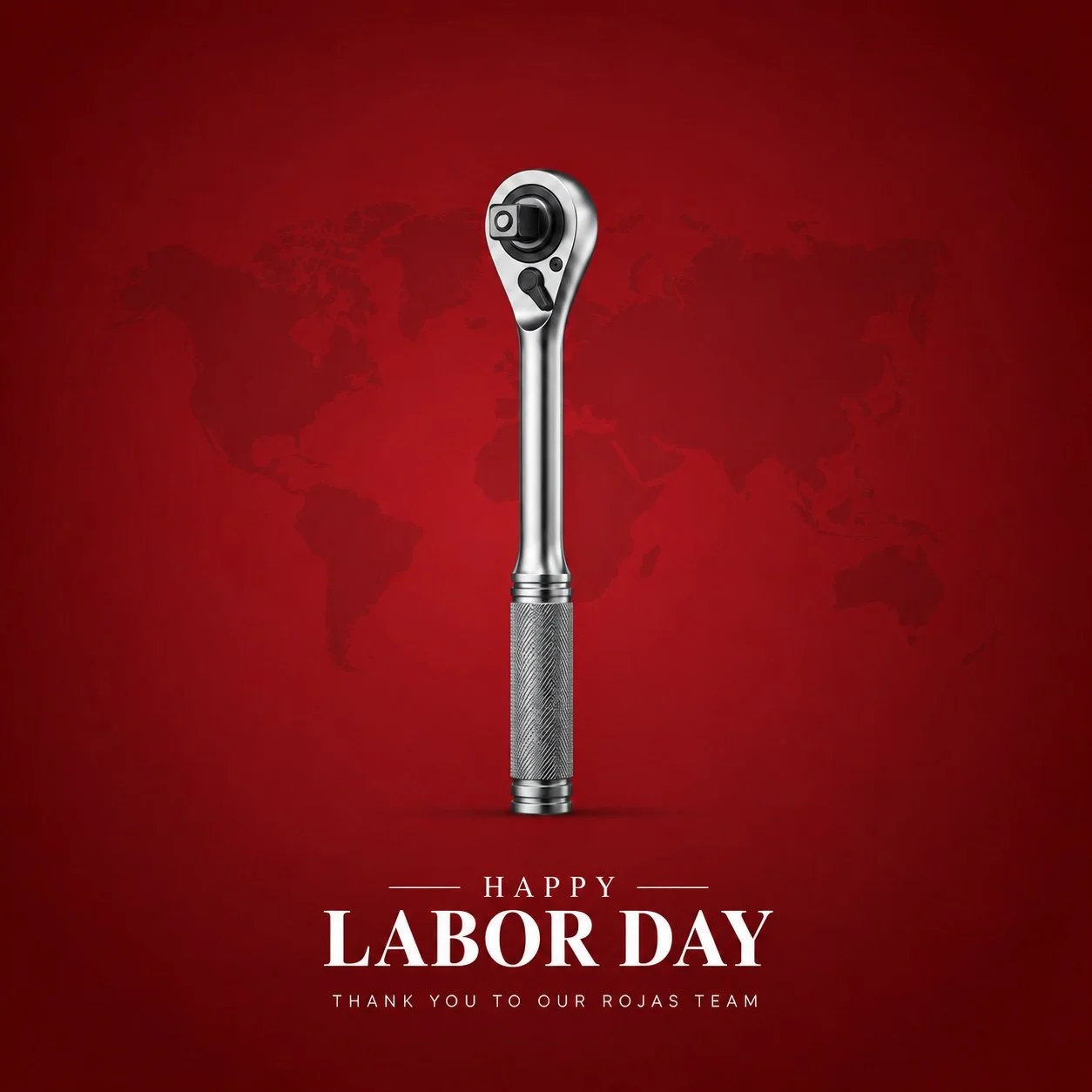
🇺🇸 Happy Labor Day from Rojas Auto Solutions!
Today we want to recognize and thank our incredible Rojas Team for the hard work, dedication, and pride they bring every day. 🔧❤️ We truly appreciate everything you do to keep our shop moving and to take care of every customer who trusts us with their vehicle. Wishing our team, customers, families, and community a safe and relaxing Labor Day!
Pride in our work. Trust in our service. Drive to keep you moving.
We are CLOSED today to celebrate our staff!!
Vehicle Maintenance
Essential Maintenance After Buying a Used Vehicle
Buying a used vehicle can be exciting. It is new to you, but its maintenance history may not always be complete. Even when the vehicle looks clean and drives well, establishing a reliable starting point can help you understand its current condition and plan future service with fewer surprises.
Ideally, a qualified technician should inspect a used vehicle before you purchase it. If the purchase is already complete, it is still worthwhile to schedule a baseline inspection and gather as much service information as possible.
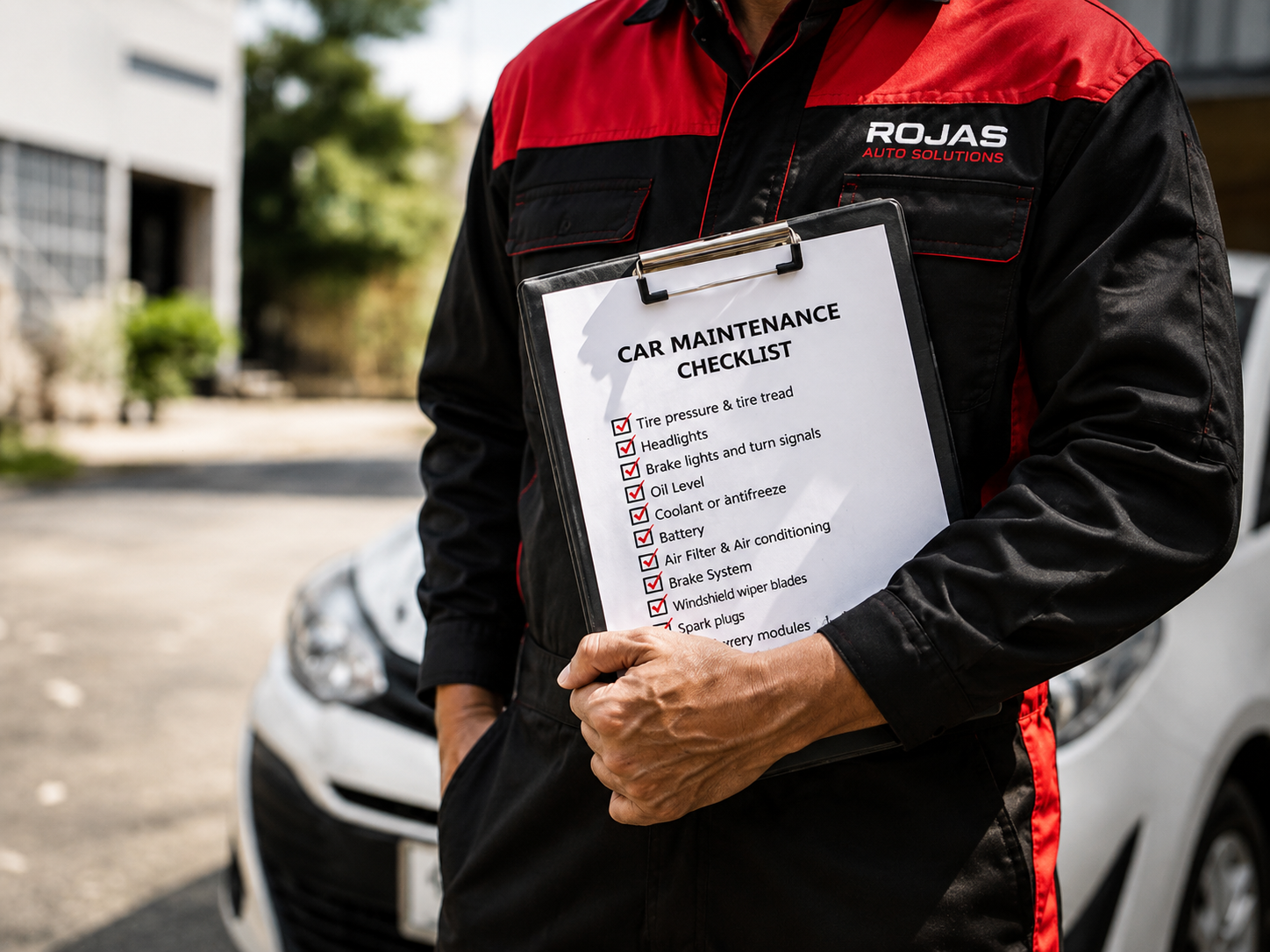
Use this checklist to get started.
1. Collect the Vehicle’s Records
Ask the seller or dealership for maintenance receipts, inspection reports, warranty information, owner’s manuals, and records of recent repairs. Check the mileage and compare it with the manufacturer’s maintenance schedule.
If complete records are unavailable, do not assume every service is overdue or that it was recently completed. A technician can inspect the vehicle, check available information, and help you prioritize maintenance based on condition, mileage, age, and manufacturer recommendations.
Eligible services completed at Rojas Auto Solutions may be reported to CARFAX, helping you build a documented service history going forward.
2. Check for Open Safety Recalls
Use the vehicle identification number, or VIN, to check for open safety recalls through the National Highway Traffic Safety Administration’s official recall lookup at NHTSA.gov/recalls.
Recall repairs are generally handled by the manufacturer’s authorized dealership. This check is free and is an important step whenever ownership changes.
3. Schedule a Baseline Multi-Point Inspection
A multi-point inspection creates a snapshot of the vehicle’s visible condition. Depending on the vehicle, an inspection may include:
Tires and tire pressure
Brakes
Steering and suspension
Exterior lights
Battery and charging system
Belts and hoses
Fluid levels and visible leaks
Wipers and windshield condition
Warning lights and basic safety items
An inspection does not guarantee that a component will never fail, but it can identify visible wear, maintenance needs, or concerns that deserve further diagnosis.
4. Review the Engine Oil and Filter
If there is no reliable record of the last oil change, review the oil’s condition and the manufacturer’s service interval. The correct oil specification and change interval depend on the vehicle, engine, operating conditions, and manufacturer requirements—not simply a universal mileage number.
Starting with a documented oil and filter service makes the next interval easier to track.
5. Inspect All Important Fluids
Fluids should be evaluated for level, condition, leakage, correct specification, and recommended service interval. Depending on the vehicle, this may include:
Engine coolant
Brake fluid
Transmission fluid
Power-steering fluid, when equipped
Differential or transfer-case fluid
Windshield-washer fluid
Do not automatically flush every fluid solely because the vehicle is used. Some systems require specific procedures, and the correct recommendation should be based on the vehicle’s design, service history, condition, and manufacturer guidance.
6. Examine the Tires
Check all four tires—and the spare, if equipped—for:
Tread depth
Uneven wear
Cracks, bulges, punctures, or exposed cords
Correct inflation
Matching size and appropriate load rating
Tire age
The tire identification number on the sidewall includes the week and year of manufacture. Tire condition matters in addition to tread depth because rubber deteriorates with age and exposure.
7. Inspect the Brakes
Brake-pad thickness is only one part of a brake inspection. Rotors, calipers, hoses, fluid condition, parking-brake operation, and warning lights may also need attention.
Schedule service promptly if you notice grinding, squealing, pulling, a soft brake pedal, vibration while braking, or increased stopping distance.
8. Test the Battery and Charging System
Ask whether the seller knows the battery’s installation date. Albuquerque heat can be demanding on vehicle batteries, and a battery may weaken without much warning.
A battery and charging-system test can help evaluate starting performance and whether the alternator is charging correctly. Slow cranking, dim lights, corrosion, repeated jump-starts, or an illuminated battery warning light deserve attention.
9. Check Filters, Belts, Hoses, and Wipers
Engine air filters, cabin air filters, drive belts, coolant hoses, and wiper blades are often inexpensive compared with the problems or inconvenience that neglected components can cause. Replacement should be based on condition and the manufacturer’s schedule rather than appearance alone whenever a specific service interval applies.
10. Confirm Time- and Mileage-Based Services
Some vehicles have important scheduled services involving spark plugs, timing belts, coolant, transmission service, differential fluids, or other components. These intervals vary greatly.
Check the owner’s manual or manufacturer maintenance schedule using the correct year, make, model, engine, mileage, and driving conditions. If a timing-belt replacement is due and there is no reliable proof it was completed, discuss the risk and next steps with a qualified technician.
Create a Maintenance Plan You Can Follow
You do not necessarily need to complete every recommended item on the same day. Ask the shop to separate its findings into clear priorities:
Safety concerns needing immediate attention
Repairs or maintenance due soon
Items to monitor at future visits
Keep invoices and record the date and mileage for every service. A simple maintenance history makes it easier to plan expenses, avoid duplicated work, and demonstrate care when you eventually sell or trade the vehicle.
Used-Vehicle Inspections and Maintenance in Albuquerque
Rojas Auto Solutions can help you establish a reliable maintenance baseline for your newly purchased vehicle. We will inspect the vehicle, explain what we find in plain language, and help you prioritize its needs without automatically treating every item as an emergency.
Visit 11505 Central Ave NE, Albuquerque, NM 87123, call (505) 814-1112, or schedule an appointment online.
Just bought a used vehicle? Follow this practical maintenance checklist to establish its condition, catch overdue services, and protect your investment.

Steering Wheel Shaking
Why Is My Steering Wheel Shaking? Common Causes Explained
A shaking steering wheel is not a symptom you should ignore. Sometimes the cause is relatively simple, such as a tire-balance concern. In other cases, the vibration may be connected to a damaged tire or wheel, worn steering or suspension parts, or a braking problem.
The moment the shaking occurs provides an important clue. Does it happen at highway speed, while braking, during acceleration, or all the time? A technician will use those details, along with an inspection and road test when the vehicle is safe—to locate the actual source.
Here are several common possibilities.
1. Tire Balance or Tire Condition
Tire and wheel concerns are common sources of vibration, especially when shaking becomes noticeable within a certain speed range. A tire may be out of balance, irregularly worn, improperly inflated, internally damaged, or affected by separated tread or sidewall damage.
Look for obvious concerns such as:
Low tire pressure
A bulge or bubble in the sidewall
Missing chunks of tread
Uneven or cupped tread wear
A foreign object in the tire
Do not drive on a tire with a visible bulge, exposed cords, severe damage, or rapid air loss. Install the spare if it is safe and appropriate to do so, or arrange towing assistance.
2. A Bent or Damaged Wheel
A hard pothole or curb impact can damage a wheel. Depending on the location and severity, a bent wheel may cause vibration, air loss, or difficulty balancing the tire correctly.
Because some damage is located on the inner edge of the wheel, it may not be visible from outside the vehicle.
3. Brake-Related Vibration
If the steering wheel shakes mainly when you apply the brakes, the concern may be within the braking system. Uneven rotor thickness, excessive runout, overheated components, sticking hardware, or another brake condition can create a pulsation that travels through the steering wheel or brake pedal.
A vibration during braking should be inspected, particularly if it is accompanied by pulling, grinding, reduced braking performance, a burning smell, or a brake warning light.
4. Wheel Alignment or Uneven Tire Wear
Alignment by itself does not always cause a steering-wheel shake, but incorrect alignment can contribute to abnormal tire wear, pulling, or an off-center steering wheel. Once a tire develops an irregular wear pattern, it may create noise or vibration even after the underlying alignment concern is addressed.
A technician should evaluate the tires, wheels, steering, and suspension before deciding which service is needed.
5. Worn Steering or Suspension Components
Tie rods, ball joints, control-arm bushings, wheel bearings, shocks, struts, and other components help keep the wheels controlled and correctly positioned. Wear or looseness in these parts may cause vibration, clunking, wandering, unstable handling, or uneven tire wear.
Because several components can produce similar symptoms, replacing a part based only on the sensation is not a reliable diagnostic method.
6. Axle, Driveline, or Engine-Related Vibration
When vibration changes during acceleration, appears after recent repairs, or is felt through more than the steering wheel, the source may be elsewhere in the vehicle. Axles, driveline components, engine or transmission mounts, and other rotating parts can sometimes create a vibration that feels as though it is coming from the front wheels.
Accurate diagnosis requires observing when the vibration occurs and inspecting the related systems.
Questions That Help a Technician Diagnose the Problem
Before your appointment, notice:
At what speed does the shaking begin?
Does it disappear when you slow down?
Does it happen only when braking?
Does it become stronger during acceleration?
Is the vibration in the steering wheel, brake pedal, seat, or entire vehicle?
Did it begin after hitting a pothole or curb?
Were tires, brakes, or suspension parts recently serviced?
Are any warning lights illuminated?
These details can save diagnostic time and help the technician reproduce the concern safely.
Is It Safe to Drive With a Shaking Steering Wheel?
That depends on the cause and severity, which cannot be confirmed from the symptom alone. Reduce your speed and arrange an inspection as soon as possible. Stop driving and seek assistance if the vibration is severe or sudden, the steering feels loose, the vehicle is difficult to control, a tire is visibly damaged, you hear grinding, or a warning light appears with a change in handling.
Steering-Wheel Vibration Diagnosis in Albuquerque
Rojas Auto Solutions can inspect your tires, wheels, brakes, steering, suspension, and related components to determine what is causing the vibration. Our goal is to identify the source before recommending a repair—not simply replace parts based on a guess.
Visit 11505 Central Ave NE, Albuquerque, NM 87123, call (505) 814-1112, or schedule your appointment online.
Does your steering wheel shake while driving or braking? Learn the possible tire, brake, wheel, steering, and suspension causes—and when to seek service.
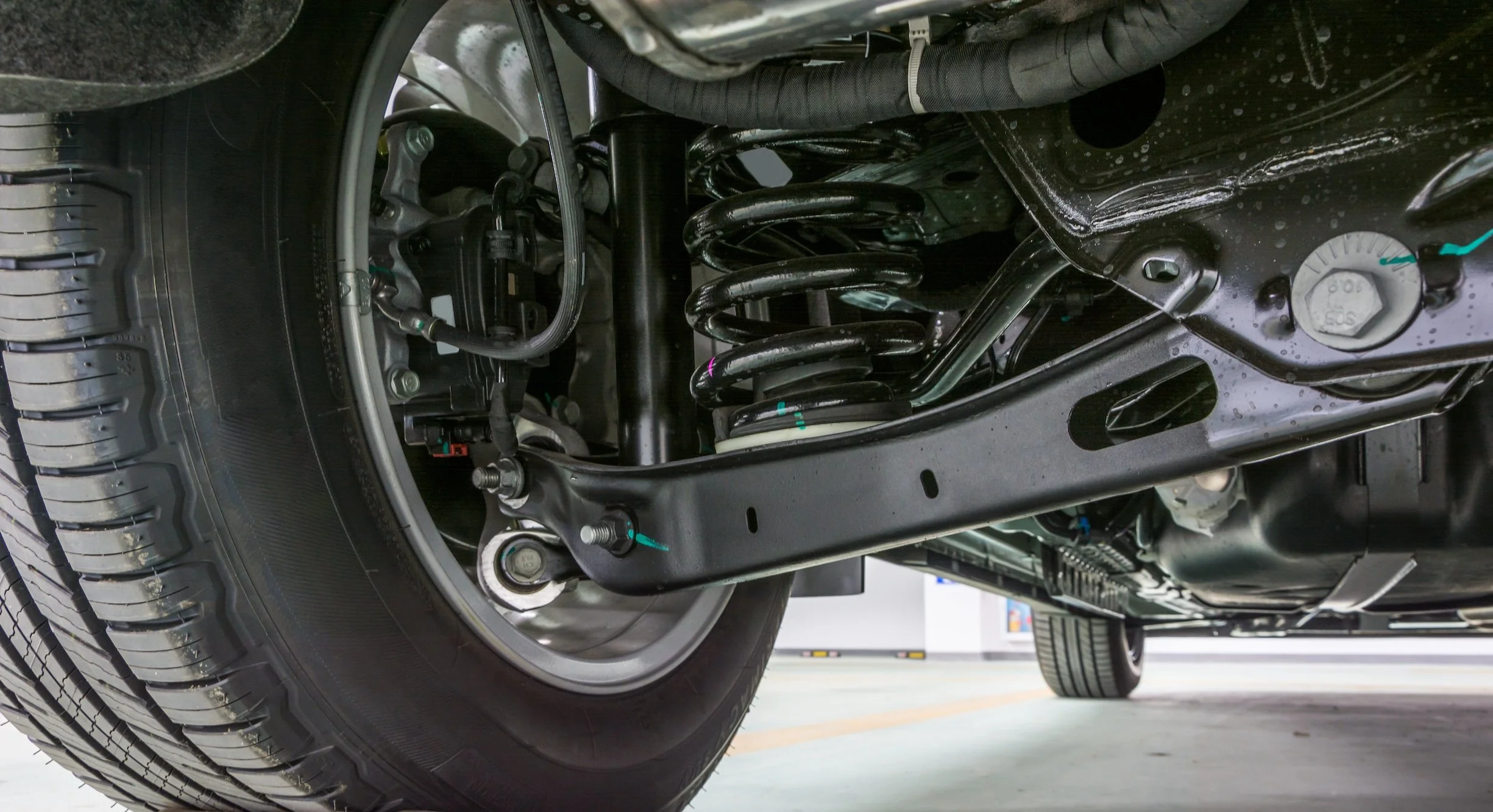
Your Vehicle’s Suspension
How Albuquerque Roads Affect Your Vehicle’s Suspension?
Your vehicle’s suspension does much more than make the ride comfortable. It helps keep the tires in contact with the road, supports predictable steering and braking, and gives you better control when turning or responding to an unexpected situation.
That system works hard in Albuquerque. Potholes, uneven pavement, road construction, speed bumps, gravel, and daily temperature changes can place repeated stress on shocks, struts, ball joints, control arms, bushings, wheel bearings, and steering components. One hard impact can cause damage, but suspension wear often develops gradually after months of everyday driving.
Knowing the early warning signs can help you address a smaller concern before it affects additional components or your tires.
What Happens When You Hit a Pothole?
When a tire drops into a pothole, the wheel and suspension move rapidly to absorb the impact. Depending on the pothole’s depth, your speed, tire pressure, vehicle weight, and angle of impact, the force may affect more than ride comfort.
A severe impact may contribute to:
Tire or wheel damage
Wheel-alignment changes
Bent or damaged suspension components
Premature wear in shocks, struts, bushings, or ball joints
Steering-wheel vibration or a vehicle that begins pulling
Not every pothole causes damage. However, if your vehicle feels different immediately after an impact, it is worth having it inspected.
Warning Signs Your Suspension May Need Attention
1. Your vehicle pulls to one side
Pulling can have several causes, including tire pressure, tire wear, alignment, brakes, or suspension concerns. If the vehicle no longer tracks straight on a reasonably level road, have it evaluated instead of constantly correcting the steering wheel.
2. You feel every bump
A harsh, bouncy, or unstable ride may indicate that the shocks or struts are no longer controlling the vehicle’s movement as effectively as they should.
3. You hear clunking, knocking, or creaking
Unusual noises while traveling over bumps, entering driveways, or turning can come from worn bushings, sway-bar links, ball joints, strut mounts, or other steering and suspension components. A professional inspection is needed to identify the source.
4. Your tires are wearing unevenly
Inside-edge wear, outside-edge wear, cupping, or irregular tread patterns may point to tire-pressure, alignment, balance, or suspension problems. Tire wear provides useful clues, but it does not identify the cause by itself.
5. The front of the vehicle dips when braking
Some weight transfer during braking is normal. Excessive dipping, bouncing, or instability may mean the suspension is not controlling body movement correctly.
6. The vehicle feels loose or unstable
If your car wanders, leans excessively, feels unusually sensitive to wind, or does not feel settled after a bump, schedule an inspection promptly.
Can Suspension Problems Affect Other Parts of the Vehicle?
Yes. Continuing to drive with worn or damaged suspension components may contribute to uneven tire wear, reduced ride control, additional stress on connected parts, and less predictable handling. The exact effect depends on the component and the severity of the wear.
Replacing tires without correcting the cause of abnormal wear can allow the same pattern to return. That is why a complete inspection is often more helpful than replacing the most visible worn part without investigating the reason behind it.
What Does a Suspension Inspection Include?
The inspection may vary according to the vehicle and the symptoms, but a technician may check:
Shocks and struts
Ball joints and control arms
Bushings and sway-bar links
Tie rods and steering components
Wheel bearings
Springs and mounts
Tire condition and pressure
Signs of fluid leakage, looseness, or physical damage
Tell the service advisor when the symptom started, what the vehicle feels or sounds like, and whether it followed a pothole or curb impact. Those details can help guide the diagnostic process.
When Should You Stop Driving?
Arrange immediate assistance if the vehicle is difficult to control, a wheel or tire appears damaged, the steering changes suddenly, you hear severe grinding or metal contact, or the vehicle sits abnormally low on one corner. When you are unsure whether the vehicle is safe, avoid driving it and ask a professional whether it should be towed.
Suspension and Steering Service in Albuquerque
If your ride has become rough, noisy, uneven, or difficult to control, do not wait for the problem to become more noticeable. Rojas Auto Solutions can inspect the steering, suspension, and related components to help identify the source of the concern.
Visit us at 11505 Central Ave NE, Albuquerque, NM 87123, call (505) 814-1112, or schedule an appointment online.
Albuquerque roads can be tough on shocks, struts, steering, and tires. Learn the warning signs of suspension damage and when to schedule an inspection.

New Mexico Route 66
Why Rojas Auto Solutions Calls Historic Route 66 Home?
There’s a reason we chose 11505 Central Ave NE for our shop, Route 66 isn’t just an address to us, it’s part of who we are.
A Road Built on Trust
Route 66 was the road people relied on to get where they were going. That same idea of dependability is baked into how we run our shop today: honest diagnostics, fair pricing, and work you can trust.
Rooted in Community
As a family-owned shop, we’re not chasing a national brand, we’re building something local, for the neighbors who drive past our sign every day. That’s part of why our values: Pride, Trust, and Drive, show up in everything from how we greet customers to how we stand behind our work.
What This Means for You
When you bring your car to us, you’re supporting a local, family-run business on one of the most iconic stretches of road in the country, and getting ASE Blue Seal certified service in return.
Stop By and See Us
We’re proud to be part of Albuquerque’s Route 66 corridor. Come see the shop, meet the team, and let us take care of your vehicle the way this road deserves.
Whether you live in Albuquerque, commute along Central Avenue, or are traveling through New Mexico on historic Route 66, Rojas Auto Solutions is ready to help keep your vehicle safe and dependable. Visit us at 11505 Central Ave NE, call (505) 814-1112, or schedule your appointment online.
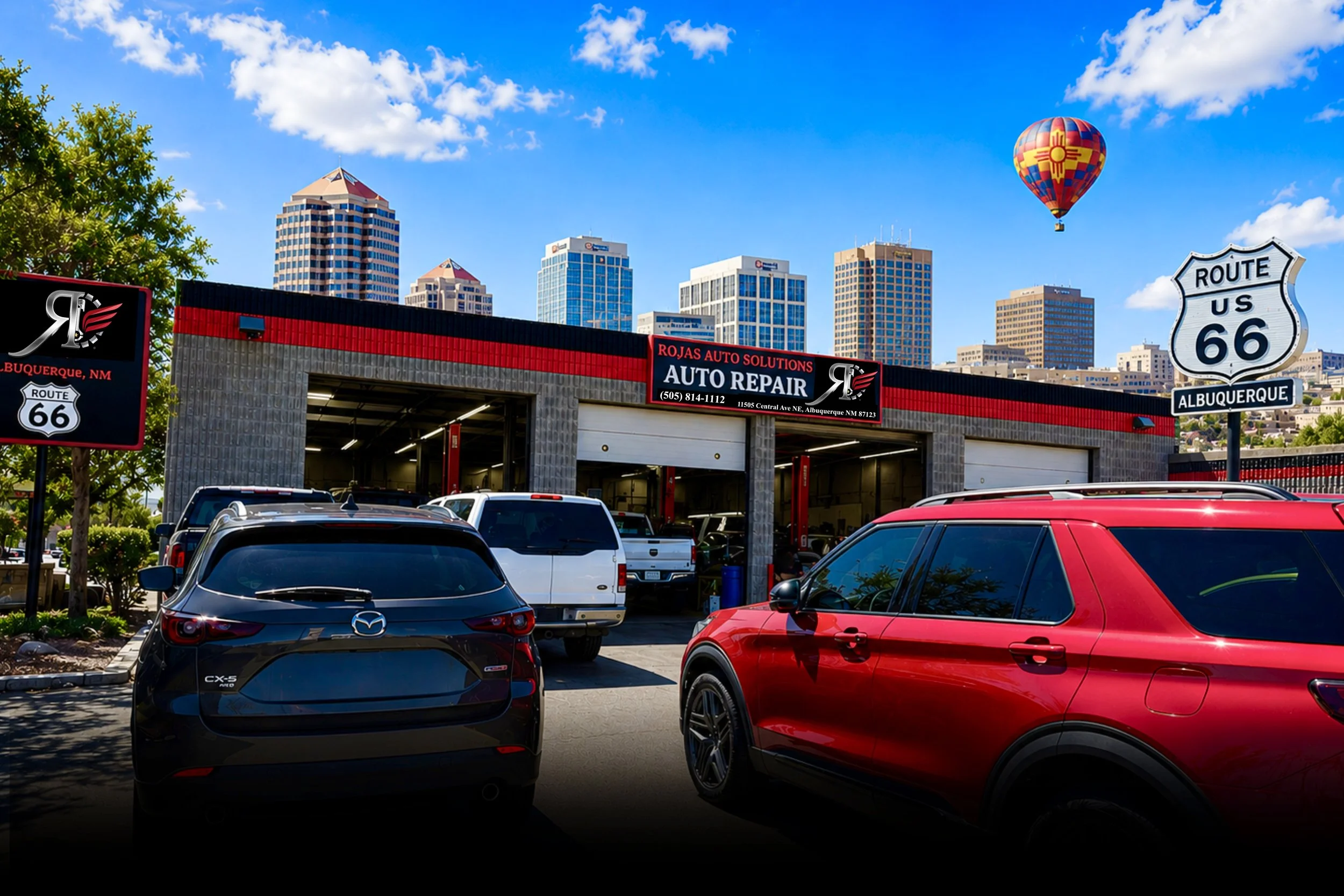
Historic Route 66 has shaped Albuquerque’s identity for generations. Today, Central Avenue continues to connect neighborhoods, local businesses, travelers, and families throughout the city.